
Solo & Small Firm
Surrogacy Law In California

A Primer for New Practitioners
By Maya Shulman
The Baby M Case: A Cautionary Tale
If you’re new to surrogacy practice in California, you need to understand why California became the nation’s surrogacy capital—and why the road here was paved by one of the most controversial custody battles in American legal history.
In 1985, William and Elizabeth Stern contracted with Mary Beth Whitehead through a New Jersey surrogacy agency. Whitehead, a mother of two, agreed to be artificially inseminated with William Stern’s sperm and relinquish the child for $10,000. This was traditional surrogacy—Whitehead was both the genetic and gestational mother.
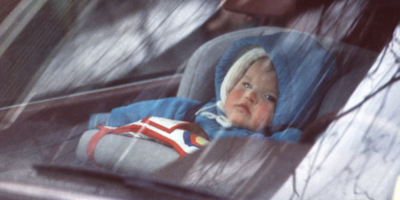
When Melissa was born on March 27, 1986, everything changed. Whitehead handed the baby to the Sterns but returned the next day in tears, begging to hold her one more time. The Sterns, fearing for her mental state, agreed. Whitehead fled to Florida with the infant and remained in hiding for 87 days. During desperate phone calls, she told William Stern, “I gave her life. I can take her life away.”
The New Jersey trial court initially upheld the surrogacy contract and terminated Whitehead’s parental rights based on the “best interest of the child.” But in 1988, the New Jersey Supreme Court reversed, invalidating the contract as contrary to public policy. The court found the agreement violated adoption laws prohibiting payment for relinquishing parental rights—effectively calling it baby-selling. Whitehead’s parental rights were restored, though custody remained with the Sterns.
Baby M became the first American court ruling on surrogacy validity and a national flashpoint. States scrambled to regulate or ban commercial surrogacy. The case exposed the profound risks of traditional surrogacy, where the surrogate’s genetic tie to the child created an irresolvable legal and emotional conflict.
California’s Revolutionary Approach
California took the opposite path. In Johnson v. Calvert (1993), the California Supreme Court faced a gestational surrogacy dispute—the surrogate had no genetic connection to the child. The court held that intent, not biology, determines parentage. The intended parents were declared the legal parents from conception. This landmark ruling made California a surrogacy haven.
Today, California Family Code §§ 7960-7962 govern surrogacy agreements. The law requires written contracts executed before embryo transfer, independent legal counsel for both parties, medical and psychological screening, and detailed compensation terms. Compliance with these requirements allows intended parents to obtain pre-birth parentage orders, placing their names directly on the birth certificate—no adoption necessary.
For new practitioners, remember three absolutes: timing is everything (no valid agreement post-transfer), never represent both sides, and understand that California’s progressive framework is an island. The 2024 Alabama LePage decision treating frozen embryos as persons under wrongful death law reminds us that surrogacy’s legal foundations remain contested nationwide. In California, however, intent-based parentage is settled law—a legacy built in direct response to the Baby M tragedy.