
Solo & Small Firm
Meeting the Moment: Estate Planning Opportunities in California’s Aging Shift
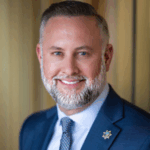
By: Brett K. Rhodes, Esq.
California’s aging population is not simply a demographic trend; it is a defining practice opportunity for solo and small firm attorneys. Adults over 65 represent one of the fastest-growing segments of the state’s population, and increased longevity brings expanded legal complexity. For members of the Solo and Small Firm Section, estate planning sits at the intersection of aging, asset preservation, and intergenerational wealth transfer.
The Expanding Scope of Estate Planning
Traditional estate plans built around simple wills and revocable trusts are no longer sufficient. Clients are living longer and experiencing extended periods of incapacity that may last years. As a result, technical precision in drafting incapacity provisions has become just as important as dispositive planning.
Practitioners should revisit trust standards for determining incapacity, clarify successor trustee authority, and ensure durable powers of attorney contain comprehensive asset management and gifting provisions. Overreliance on outdated boilerplate increases risk. Thoughtful drafting reduces ambiguity, protects fiduciaries, and minimizes the likelihood of intra-family conflict or court intervention.
Long-Term Care and Medi-Cal Literacy
Not every estate planning attorney intends to specialize in Medi-Cal planning, but baseline literacy is increasingly essential. Long-term care costs in California can exceed six figures annually, placing significant strain on middle-income families. Clients expect their advisors to identify risks before a crisis emerges.
At minimum, solo and small firm attorneys should understand eligibility fundamentals, recognize look-back implications, and evaluate how asset titling affects benefit qualification. Even when partnering with specialized counsel, issue spotting enhances credibility and strengthens client trust. As demographic pressures grow, this knowledge base will become less optional and more foundational to competent representation.
Real Property and Property Tax Planning
For many Californians, real estate remains the cornerstone of wealth. Changes to property tax reassessment rules under Proposition 19 have heightened the importance of coordinated transfer planning. Trust structure, distribution timing, and beneficiary occupancy requirements now carry significant tax consequences.
Integrating property tax analysis into estate planning conversations is no longer a niche consideration. Solo practitioners who proactively address reassessment exposure can deliver immediate, tangible value while differentiating their practices in a competitive marketplace.
The Competitive Advantage of Small Firms
Solo and small firm attorneys possess structural advantages in this environment. Estate planning is inherently personal, and aging clients often prefer trusted local counsel who can guide sensitive discussions with empathy and clarity. Smaller practices can prioritize relationship-based advisory models rather than transactional document delivery.
Building systems for periodic plan reviews, trustee guidance meetings, and coordinated communication with financial advisors and CPAs creates recurring engagement. Educational workshops and client updates further position the firm as a proactive community resource.
A Strategic Growth Imperative
California’s demographic trajectory is clear and enduring. As the population ages, demand for sophisticated yet accessible estate planning will continue to expand. Attorneys who invest in drafting precision, cross-disciplinary fluency, and ongoing client education will not only mitigate risk but also build sustainable, referral-driven practices.
For solo and small firms, the aging shift is more than a policy issue. It is a long-term growth imperative grounded in delivering clarity, stability, and informed counsel during the most consequential stages of clients’ lives and careers.